

Written by Seth Mansfield, personal injury attorney at Mansfield Melancon Injury Lawyers.
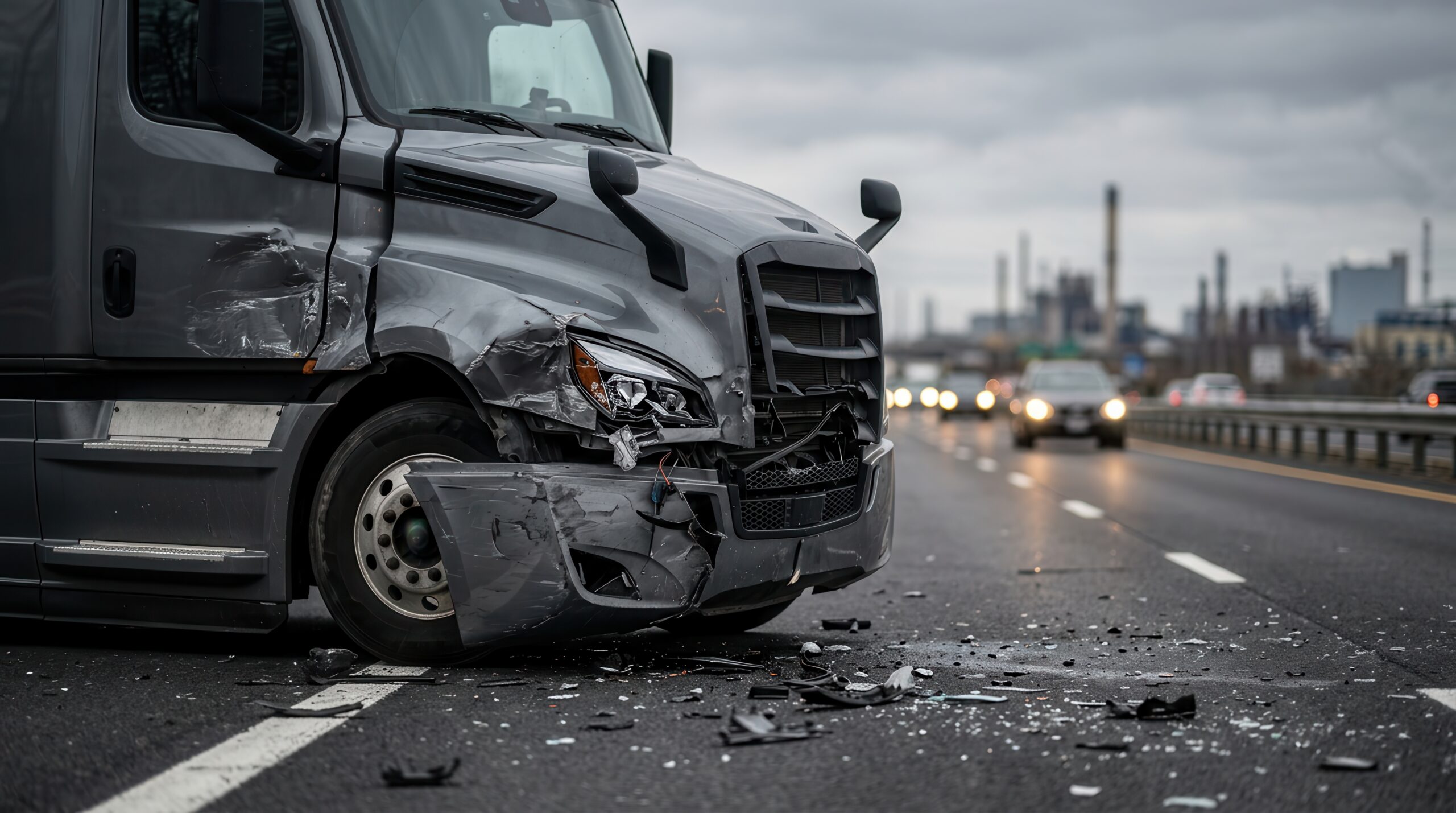
The stretch of I-10 running through Lafayette and the surrounding Acadiana region carries some of the heaviest commercial truck traffic in Louisiana. Freight moving between Texas, the Gulf Coast, and the southeastern United States passes through here daily. When a crash involves an 18-wheeler on that corridor, the consequences are often severe. Our Lafayette 18-wheeler accident attorneys handle these cases specifically, and the steps you take in the first hours and days matter more than most people realize.
Why I-10 Through Acadiana Is a High-Risk Truck Corridor
Lafayette sits at the intersection of I-10 and I-49, making it one of the most significant freight junctions in the state. The volume of 18-wheelers, tanker trucks, flatbeds, and heavy haul vehicles on this stretch is not comparable to most Louisiana corridors.
Several factors increase crash risk specifically on I-10 through Acadiana. According to Louisiana DOTD crash reports, construction zones are frequent on this stretch and create sudden lane changes and unpredictable traffic patterns. The I-10 Atchafalaya Basin Bridge, one of the longest bridges in the United States, limits shoulder access and escape routes when incidents occur. Driver fatigue is common on this route because truckers often push through Louisiana to avoid stopping, putting them into extended hours-of-service territory under FMCSA regulations.
What Makes 18-Wheeler Cases Near Lafayette Unique
Lafayette’s proximity to the oil and gas industry adds another dimension to trucking cases in this region. Oilfield service vehicles, equipment haulers, and oversized loads are common on US-90, LA-182, and the regional highways connecting the Basin to the Gulf. These are not standard interstate freight trucks. They operate under different permit and safety frameworks, and the companies that operate them are often smaller carriers with less sophisticated insurance arrangements.
When a crash involves an oilfield hauler or an oversized load rather than a major carrier, identifying insurance coverage and responsible parties requires a different investigation approach. Our Lafayette personal injury attorneys understand the local industry landscape that shapes these cases.
The First Steps After an 18-Wheeler Crash on I-10 Near Lafayette
These steps are listed in priority order. The evidence that determines your case exists right now, and some of it will not exist tomorrow.
- Call 911. A commercial vehicle crash on the interstate requires a State Police investigation. The report they generate is a critical piece of your claim.
- Get medical attention before anything else. Acadiana’s regional trauma centers, including Our Lady of Lourdes and Lafayette General, can document your injuries from the date of the crash. According to NHTSA, delayed medical evaluation is one of the most common factors that reduces injury claim values.
- Photograph and document everything you can safely access: the truck’s DOT number on the door, the license plate, the company name, any visible cargo, road conditions, skid marks, and your vehicle damage.
- Do not speak with the trucking company’s insurance representative without an attorney. Their claims team may call the same day.
- Note the full name on the truck’s door or cab. Freight brokers, carriers, and owner-operators are often different entities. The name on the truck is the starting point.
- Contact a Lafayette truck accident lawyer as soon as possible.
Why Trucking Evidence Disappears Faster Than You Expect
Commercial trucks carry electronic logging devices that record hours of service under FMCSA hours-of-service rules — drivers are limited to 11 hours of driving after 10 consecutive hours off duty, with a 14-hour daily on-duty limit. Violations of these limits are among the most common causes of fatigue-related crashes on I-10. Event data recorders capture braking, throttle, and steering inputs in the seconds before impact. The trucking company’s own inspection records, maintenance logs, driver qualification files, and drug and alcohol testing results are all potentially relevant. Carriers are also required to maintain proof of proper cargo securement and pre-trip inspections, both common factors in I-10 corridor crashes involving oversized loads. Our Lafayette truck accident attorneys send a preservation demand immediately, putting the carrier on legal notice that evidence destruction is not an option.
Frequently Asked Questions
Who is liable for an 18-wheeler crash on I-10 near Lafayette?
Liability depends on the cause of the crash. The truck driver, the carrier, the cargo loader, a parts manufacturer, or a combination of parties can bear responsibility. The investigation determines this, which is why acting fast matters.
What if the truck driver seemed fine and cooperative after the crash?
Cooperative at the scene does not mean the carrier will cooperate with your claim. The trucking company’s legal team and insurance adjusters take over quickly. Their interests are not aligned with yours.
I was hit by a truck near Lafayette on a road other than I-10. Does this still apply?
Yes. The same principles apply whether the crash happened on I-10, US-90, I-49, or a regional highway. Commercial truck crashes anywhere in Acadiana involve the same evidence-preservation urgency and the same multi-party liability analysis.
If you or a family member was injured in a truck crash near Lafayette, contact Mansfield Melancon Injury Lawyers for a free consultation. Our Lafayette office handles 18-wheeler and commercial truck cases throughout Acadiana. You pay nothing unless we recover for you.