

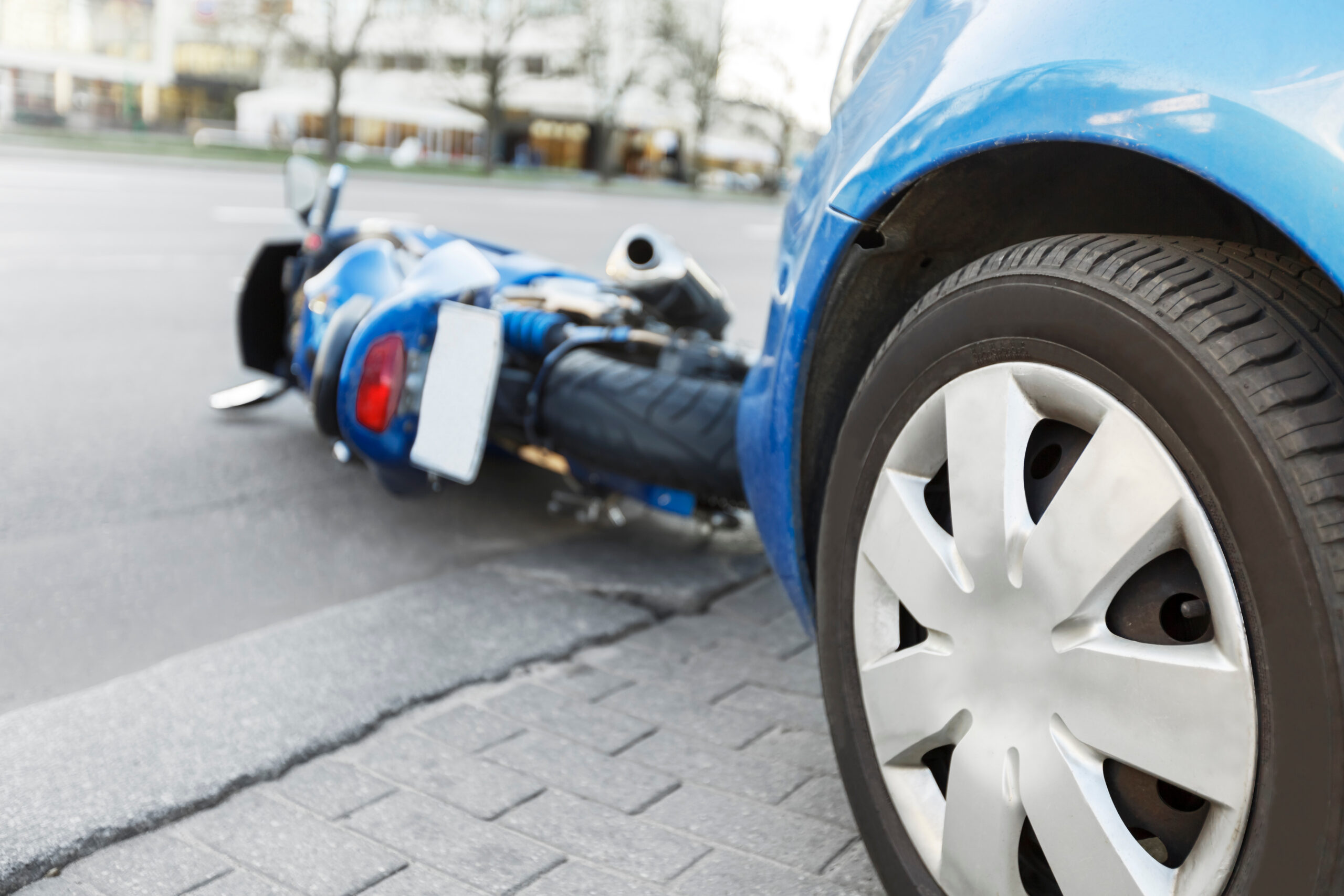
Riding in the Acadiana region is different from riding in a city. The roads outside Lafayette — through Broussard, Youngsville, Carencro, and into the rural parishes — spread out wide and fast. Traffic is lighter until it isn’t. Then a heavy truck comes off a well site access road, misjudges a stop, or crosses the center line. Our Lafayette motorcycle accident lawyers handle exactly these cases — and they look different from urban crash claims in ways that matter for your recovery.
The Oilfield Truck Problem on Lafayette’s Roads
Lafayette sits at the center of Louisiana’s oil and gas industry. Workers, equipment, and supplies move daily along US-90, LA-182, LA-14, and the rural routes connecting the region to well sites and the Gulf Coast.
These trucks range from standard pickups to heavy tankers and flatbeds. When one is operated by a company, the claim structure changes significantly — the employer bears liability for the driver’s negligence under Louisiana law. Our Lafayette 18-wheeler accident page explains how commercial liability works in these cases.
Additionally, evidence preservation needs to happen quickly — commercial carriers have legal teams that start managing records from the moment a crash is reported.
Rural Road Hazards Specific to the Acadiana Region
- Agricultural equipment turning across roads without adequate warning. Combine headers and tractor attachments can extend well into oncoming lanes.
- Sand and gravel washed onto road surfaces from unpaved driveways and field access routes. Loss-of-traction crashes on these surfaces often look like rider error — but may reflect a property owner’s obligation to keep roads clear.
- Livestock crossing in rural areas of St. Landry, Vermilion, and Iberia Parishes. These incidents can give rise to claims against the landowner.
- Road surface degradation on parish roads with limited maintenance budgets. Potholes, edge drops, and cracking on rural roads are a consistent source of motorcycle crashes.
Louisiana’s Helmet Law and What It Means for Your Claim
Louisiana requires helmets for most riders. So, if you weren’t wearing one, expect the at-fault party’s insurer to raise it as a factor in head and neck injury damages. Our motorcycle helmet laws page covers exactly how Louisiana’s requirement applies and what it means for your claim.
However, it doesn’t eliminate your claim. Louisiana’s comparative fault rules allow recovery even with shared fault. Furthermore, helmet status affects only certain damages — not the underlying liability for the crash itself.
What to Do After a Motorcycle Crash in Lafayette or Acadiana
- Call 911 and wait for a Lafayette Police or Lafayette Parish Sheriff’s deputy to respond.
- Photograph the full scene: road surface, the other vehicle’s position, any debris or spilled material, and your bike.
- If the crash involved a commercial vehicle, note the company name, DOT number, and any carrier markings on the truck.
- Get medical attention the same day.
- Don’t speak to the trucking company’s insurer or any commercial carrier’s representative before contacting an attorney.
Frequently Asked Questions
What if a road defect caused my crash, not another driver?
Claims against DOTD or a parish road authority for dangerous conditions are possible, but they’re procedurally specific. Notice requirements and government liability limitations apply. An attorney needs to evaluate these quickly because the window to act can be shorter.
Can I recover if the truck driver was working for an oilfield company?
Yes. The employer company is often the more important target because of commercial insurance limits. An attorney identifies all responsible parties and all available coverage before any demand goes out.
How long do I have to file in Louisiana?
Usually, you have two years to file a personal injury claim in Louisiana. For crashes involving commercial vehicles, moving quickly on evidence preservation matters even more than usual.If you were hurt in a motorcycle crash on any road in the Lafayette area, call us before you talk to the other party’s insurer. Our Lafayette office handles these cases regularly. The consultation is free.