

DUI vs. DWI vs. DWAI: What’s the Difference?
Written by Scott Mansfield, personal injury attorney at Mansfield Melancon Injury Lawyers.
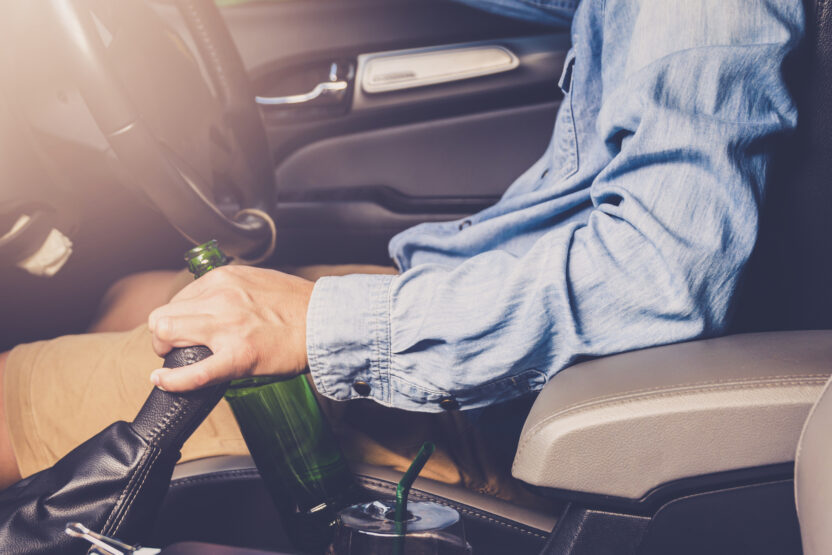
If you’ve been injured in a car accident in Louisiana involving a drunk or drug-impaired driver, you may hear terms like DUI, DWI, and DWAI thrown around. While these acronyms are often used interchangeably, Louisiana law officially uses the term OWI (Operating a Vehicle While Intoxicated). However, DWI remains the term most commonly used by the public, law enforcement, and courts.
What Is a DWI in Louisiana?
DWI (Driving While Intoxicated/Impaired) is the term most commonly used in Louisiana. But the official name under La. R.S. § 14:98 is Operating a Vehicle While Intoxicated (OWI). This law applies when someone operates a motor vehicle under the influence of alcohol, illegal drugs, prescription medications, or any other substance that impairs mental or physical ability. Also, a driver doesn’t need to have a BAC of 0.08% to be charged. If law enforcement believes the person is impaired based on behavior, test results, or refusal to test, they can still face OWI/DWI charges.
What About DUI and DWAI?
While DUI (Driving Under the Influence) and DWAI (Driving While Ability Impaired) are used in some states, Louisiana does not recognize these terms in its criminal code. DUI is commonly used in states like California, Florida, and Tennessee. In contrast, DWAI is typically used in places like Colorado and New York to describe impairment below the legal limit. In Louisiana, regardless of whether the substance is alcohol, drugs, or a mix of both, the umbrella term is DWI.
How a DWI Affects Your Injury Claim
Criminal charges are separate from your civil case, but a DWI/OWI charge can be extremely helpful in proving fault. Evidence that can support your claim includes police reports showing suspected intoxication, chemical test results or refusal to submit, and eyewitness statements of reckless behavior. Because the standard of proof in civil cases is lower than in criminal cases, you may succeed in your lawsuit even if the DWI case is still pending.
What Kinds of Damages Can I Recover in a DWI Injury Case?
Victims of drunk or impaired driving accidents may pursue both economic and non-economic damages in Louisiana. Economic damages cover financial costs such as medical bills, lost income, rehabilitation costs, and property damage. Non-economic damages cover intangible losses including pain and suffering, emotional distress, loss of enjoyment of life, and scarring or permanent disability. In rare cases, Louisiana courts may also award punitive damages in drunk driving cases.
What Should I Do After an Accident With an Impaired Driver?
If you’re injured in a crash involving an impaired driver: call 911 immediately so law enforcement can investigate; seek medical attention even if you aren’t obviously injured (medical records serve as critical evidence); collect evidence including photos, videos, and witness contact information; and do not talk to the insurance company without legal help, as adjusters often try to minimize payouts.
What a DUI Conviction Means If You Were the Victim in Louisiana
A DUI conviction against the driver who hit you is a separate legal process from your own injury claim, but it directly strengthens your civil case. Louisiana law allows victims of drunk driving crashes to pursue both compensatory and, in limited circumstances, punitive damages under La. C.C. Art. 2315.4, which specifically permits punitive damages when a defendant’s wanton or reckless disregard for the rights of others while intoxicated causes injury.
The criminal case and your civil claim proceed on different tracks with different standards of proof. A criminal DUI conviction requires proof beyond a reasonable doubt, while your civil claim only requires a preponderance of the evidence — meaning it’s more likely than not the driver’s impairment caused your crash. This is why you can often move forward with your injury claim well before the criminal case concludes, and a conviction (when it comes) only reinforces what your civil case has already established. If you were injured by a drunk or impaired driver in the New Orleans area, our New Orleans car accident attorneys can help you pursue both compensatory and punitive damages where applicable.
Contact a Metairie Car Accident Lawyer at Mansfield Melancon Injury Lawyers for Legal Help
A DWI or OWI charge is a clear sign that another driver acted recklessly. The criminal case may punish the driver—but it won’t pay your medical bills or help you recover lost wages. That’s where a civil injury claim comes in. Reach out to Mansfield Melancon Injury Lawyers today for a free consultation.