

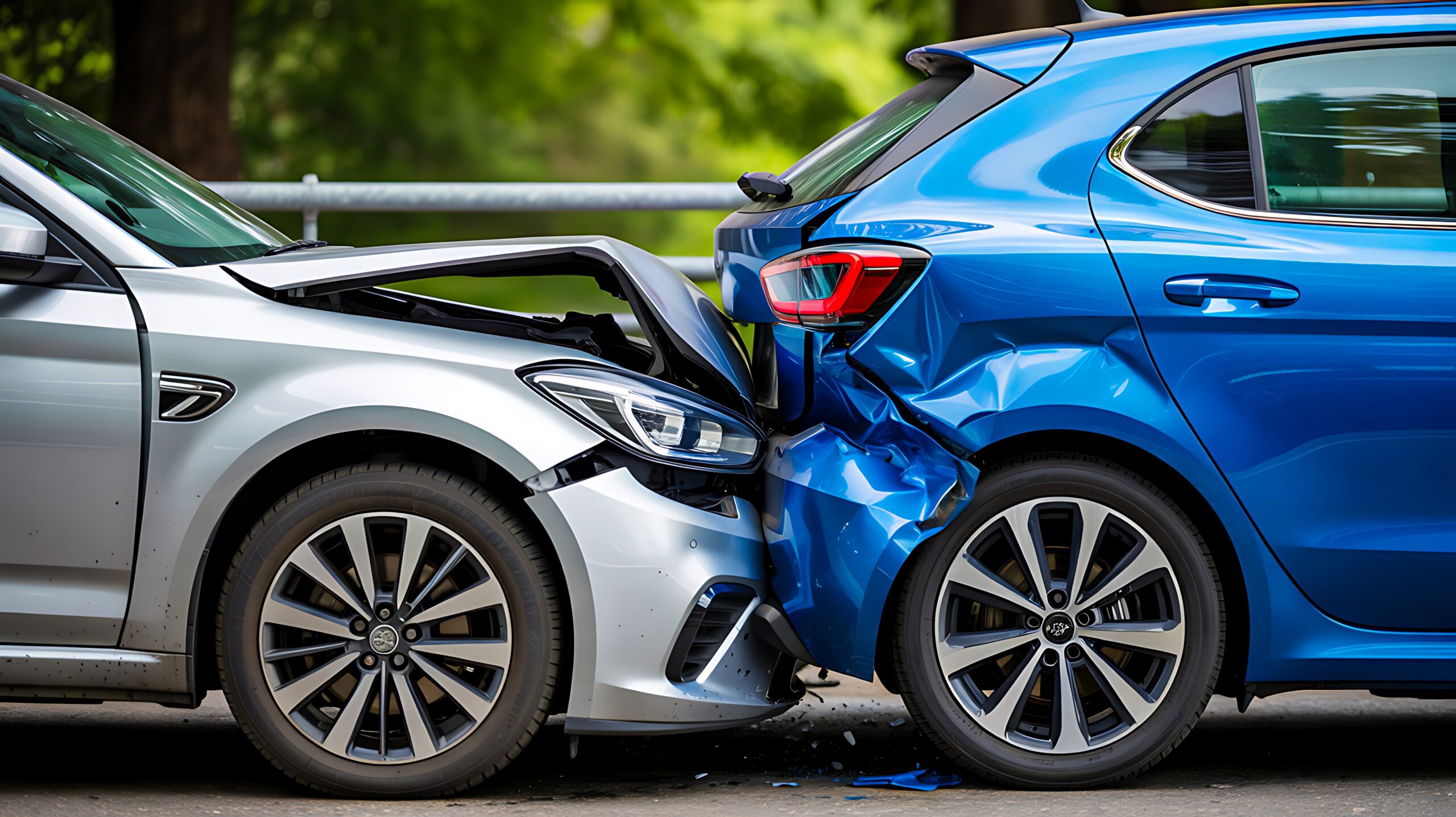
Rear-end collisions are among the most common car accidents on Louisiana roads. Whether it happened on I-10 in New Orleans, at a red light in Baton Rouge, or on a rural highway in Lafayette, the question that follows almost immediately is: who is responsible?
The answer seems obvious—the driver who hit you from behind caused the crash. But under Louisiana’s fault laws, the picture can be more complicated than that. Understanding how fault is determined in rear-end accidents can make a significant difference in your personal injury claim.
The General Rule: The Rear Driver Is Usually at Fault
In most rear-end accidents, Louisiana law holds the driver who struck the vehicle in front responsible. The legal basis for this is the duty every driver has to maintain a safe following distance and remain alert to traffic conditions ahead.
Louisiana law (La. R.S. 32:81) requires drivers to follow other vehicles at a reasonable and prudent distance, considering their speed and the condition of the road. A driver who rear-ends another vehicle has, in most cases, violated this duty—whether through distracted driving, tailgating, speeding, or failing to brake in time.
This general rule is well-established, and police reports from rear-end accidents in Louisiana frequently assign fault to the rear driver.
Louisiana’s Pure Comparative Fault Rule
Here’s where it gets more nuanced. Louisiana follows a pure comparative fault system under Civil Code Article 2323. This means that fault can be divided among multiple parties—and even if you were partly responsible for the accident, you can still recover compensation, reduced by your percentage of fault.
In a rear-end collision, this matters because the insurance company for the rear driver will often look for any way to assign some portion of blame to the front driver to reduce their payout.
Situations Where the Front Driver May Share Fault in a Rear-End Accident
While the rear driver bears fault in the vast majority of cases, certain circumstances can shift partial responsibility to the vehicle in front:
Sudden, Unprovoked Braking
If you slammed your brakes without warning in a situation where it was not justified—not because of a hazard, traffic stoppage, or emergency—a court may find that you contributed to the collision.
Cutting Off Another Vehicle
If you merged or changed lanes abruptly and immediately hit your brakes, giving the driver behind you no reasonable chance to react, you may share responsibility.
Malfunctioning Brake Lights
Driving with brake lights that don’t work can be found contributorily negligent, as it deprives the driver behind you of a critical warning signal.
Stopping on a Highway Without Hazard Lights
If your vehicle broke down or you stopped on a high-speed roadway without activating your hazard lights or otherwise warning approaching traffic, you may bear some portion of fault.
How Insurance Companies Use Comparative Fault
Insurance adjusters are trained to look for ways to assign fault to the injured party. In a rear-end accident, they may:
- Review dashcam footage or surveillance video looking for sudden braking
- Scrutinize the police report for any mention of lane changes or erratic driving
- Take recorded statements from both drivers and look for inconsistencies
- Argue that the front vehicle’s behavior was the “true” cause of the crash
Even a finding that you were 10–20% at fault for a rear-end accident can meaningfully reduce your recovery. This is why how you handle the claim from the beginning matters—and why speaking to a Louisiana car accident attorney early in the process is critical.
What Evidence Establishes Rear-End Fault in Louisiana?
Building a strong fault case after a rear-end collision typically involves:
Police Report: The responding officer’s assessment carries significant weight. If the officer cited the rear driver for following too closely, failure to control speed, or distracted driving, that is powerful evidence.
Witness Statements: Bystanders or other drivers who saw the accident can corroborate your account of events.
Dashcam and Traffic Camera Footage: Video evidence is often decisive. Many intersections and commercial vehicles carry cameras that may have captured the crash.
Electronic Data (Black Box): Many modern vehicles record speed, braking, and acceleration data in the seconds before a crash. This data can confirm whether the rear driver was speeding or failed to brake.
Cell Phone Records: If the rear driver was texting or on the phone at the time of impact, those records can establish distracted driving.
Vehicle Damage Analysis: The location and severity of damage can help accident reconstruction experts explain how the crash occurred.
What Compensation Can You Recover After a Rear-End Accident?
If the rear driver is found at fault—or primarily at fault—for your accident, you may be entitled to recover:
- Medical expenses (emergency care, surgery, rehabilitation, ongoing treatment)
- Lost wages and future lost income
- Property damage to your vehicle
- Pain and suffering
- Emotional distress
- Loss of enjoyment of life
If you share some degree of fault under Louisiana’s comparative fault rule, your compensation is reduced proportionally. For example, if you are found 15% at fault and your damages total $100,000, you would recover $85,000.
Don’t Assume Fault Is Settled
Even when fault in a rear-end accident seems clear-cut, insurers will dispute it. They have experienced adjusters and legal teams whose job is to minimize payouts. You deserve representation that is equally experienced and motivated.
If you were injured in a rear-end accident in Louisiana, our personal injury attorneys offer free consultations and work on a contingency fee basis—meaning you pay nothing unless we win your case. Contact Mansfield Melancon Injury Lawyers today to discuss what happened and learn what your claim may be worth.